If you want a home in wine country that feels easy to enjoy, Yountville deserves a serious look. For many buyers, the goal is simple: spend less time dealing with upkeep and more time enjoying where you live. If you are considering a low-maintenance lock-and-leave home in Yountville, this guide will help you understand which property types fit that goal, what to review before you buy, and how to think about the tradeoffs. Let’s dive in.
Why Yountville works so well
Yountville stands out because so much of daily life can happen on foot. The Town of Yountville and the local chamber describe a compact, walkable setting with restaurants, tasting rooms, art, accommodations, and scenic surroundings close together. The chamber also notes 14 strollable tasting rooms and 7 nearby wineries, which helps explain why many buyers see Yountville as a convenient home base.
That ease of movement matters when you want a true lock-and-leave lifestyle. Instead of relying on a large property or a long driving routine, you can focus on a home that supports simple living and easy arrival. The Town of Yountville also highlights 11 parks, 17 acres of park space, and 5 miles of walking paths and trails, and the Napa Valley Vine Trail includes a completed Napa-to-Yountville section.
Yountville’s demographics also help explain the appeal. In the town’s 2020 census profile, Yountville had 3,436 residents, a median age of 60.4, and 45.1% of residents were age 65 or older. In the town’s housing element, Yountville is described as a small, semi-rural community with only a few vacant parcels and a mix of single-family detached homes, attached single-family units, condominiums, fourplexes, and small-lot residential neighborhoods.
What lock-and-leave really means
A lock-and-leave home is not just a smaller house. It is usually a property that asks less of you when you are away, whether that means fewer exterior chores, less yard work, or a shared maintenance structure. In Yountville, the ownership setup often matters as much as the floor plan.
That is why buyers should think beyond square footage alone. A compact home with manageable responsibilities can feel more useful than a larger home that needs regular attention. If you plan to split time between Napa Valley and another location, this distinction becomes even more important.
Best property types in Yountville
Condominiums
For many buyers, a condo is the clearest low-maintenance option. Yountville’s housing element identifies condominium areas, including Vista Condominiums, and condos are often designed around common areas and association governance. That structure can reduce your direct responsibility for some exterior upkeep.
Still, a condo is not automatically simple in every way. You are trading some physical maintenance for a shared decision-making structure with rules, fees, and financial obligations. That can work very well, but only if you understand the project before you commit.
Attached homes
Yountville’s housing stock includes attached single-family units, which make up 11.9% of the town’s housing stock according to the housing element. These homes can appeal to buyers who want a smaller footprint and less yard work than a larger detached property. In practical terms, they may offer a townhome-style experience with a bit more separation than a condo.
This can be a strong middle ground. You may get easier upkeep and a more compact layout while still enjoying a home that lives more like a traditional residence. For some buyers, that balance is the sweet spot.
Small-lot detached homes
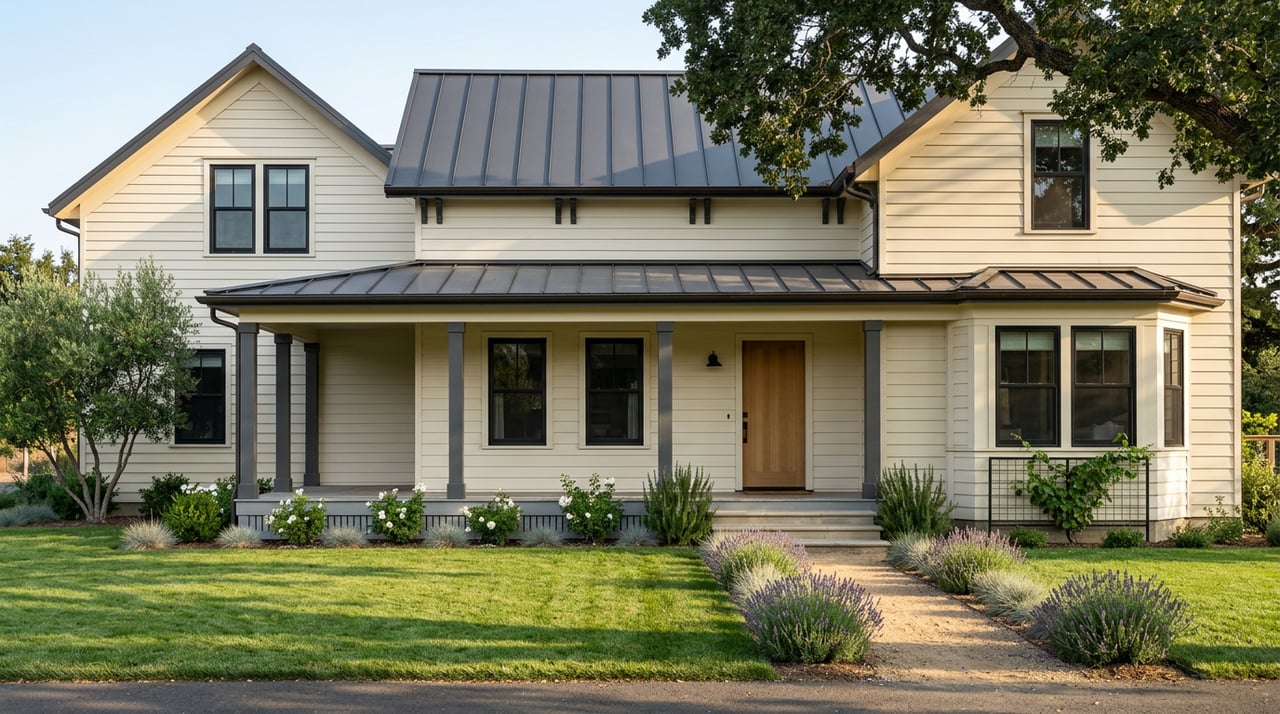
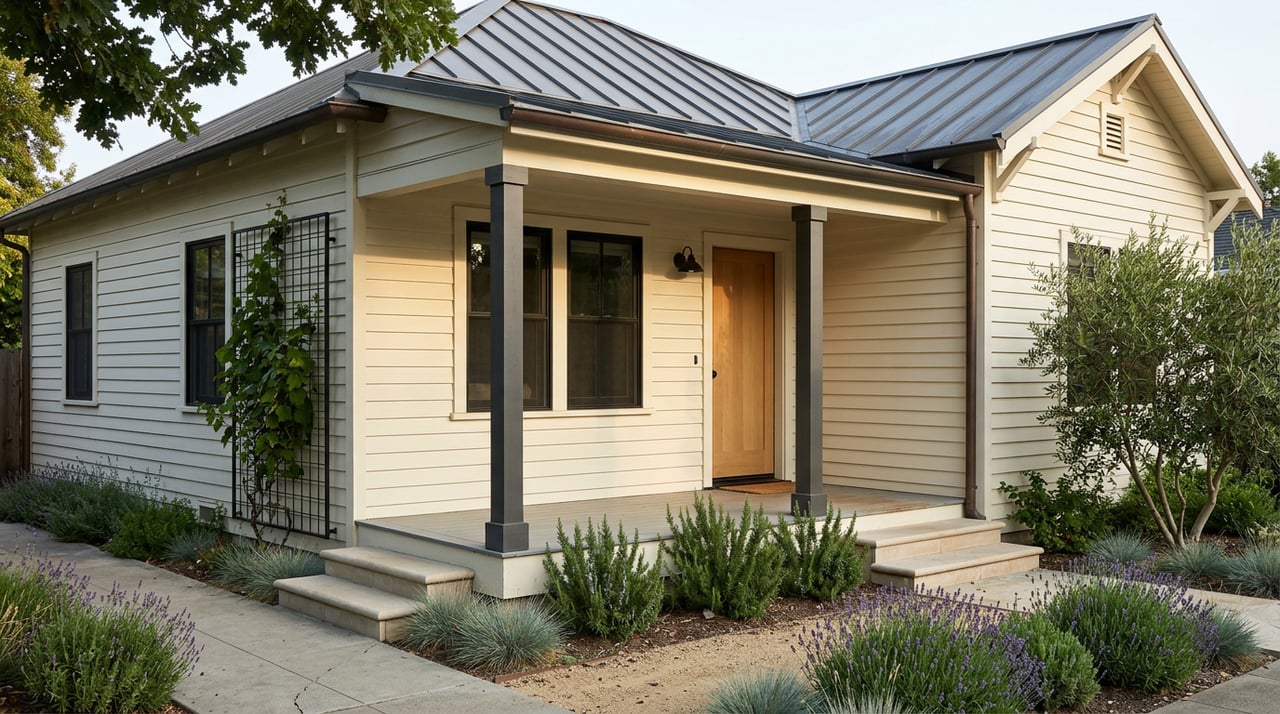
If you want the privacy of a detached home without taking on a large parcel, a small-lot home may be worth a closer look. Yountville’s housing element identifies a small-lot residential neighborhood around Oak Circle and notes that the town encourages smaller lot sizes in single-family areas. That creates options for buyers who want simpler ownership without moving fully into condo living.
A compact detached home can be an excellent fit if your priority is independence with less outdoor work. The key is to look carefully at the actual lot size, landscaping demands, and exterior maintenance needs. Not every detached home will feel low-maintenance in practice.
How to compare your options
When you compare lock-and-leave properties in Yountville, focus on how the home functions when you are not there. The best fit is often the one with the fewest ongoing demands, not the one with the most amenities. A polished presentation can be appealing, but the day-to-day ownership experience matters more.
Ask yourself:
- How much exterior upkeep will you handle directly?
- Is there a yard, courtyard, or landscaping that needs regular attention?
- Does the property depend on an HOA for maintenance, and if so, what exactly is covered?
- Will the layout still work well if you use the home part-time?
- Do the rules fit your intended use of the property?
In Yountville, the most relevant search pool is often compact and mixed rather than centered on large-lot homes. Attached homes and small-lot detached homes are often smart places to start, with condos offering the most obvious low-upkeep model for many buyers.
Why HOA review matters so much
If you buy in a common interest development, the HOA is part of the property story. In California, the Attorney General explains that HOAs are governed by boards and that members generally must follow the rules. CC&Rs and bylaws can define rights, responsibilities, and project-specific limitations, so they should be treated as essential reading, not background paperwork.
This is especially important for lock-and-leave buyers. The features that make a home feel easy to own, such as shared maintenance and common-area management, are tied directly to the HOA’s rules and finances. If you skip that review, you may misunderstand what you are actually buying.
Key documents to review before closing
California requires important HOA disclosures during a sale in a common interest development. Under state transfer rules, a seller must provide governing documents, the most recent budget and reserve documents, current assessments and unpaid charges, unresolved violation notices, any rental restriction statement, and, if requested, board minutes from the past 12 months and the most recent inspection report.
That disclosure package can tell you a lot about how the project is run. It can show whether fees are stable, whether repairs are being deferred, and whether the rules align with your plans. If you are buying for part-time use, this review is especially important.
Prioritize these items:
- CC&Rs and bylaws
- Current HOA dues and any unpaid charges tied to the property
- Annual budget and reserve information
- Rental or leasing restrictions
- Unresolved violation notices
- Recent board minutes, if requested
- The most recent inspection report, if requested
Look closely at reserves and assessments
A low-maintenance home can still become expensive if the association is underfunded. California’s annual budget-report rules require a pro forma operating budget, a reserve summary, and a reserve funding plan. The board must also state whether it has deferred repairs or replacement of major components with 30 years or less of remaining life.
That is not a small detail. If reserves are thin or major work has been postponed, you could face future financial surprises even if the property looks turnkey today. The state’s reserve-study guidance also says boards should visually inspect major components at least once every three years and review the study annually.
Assessment risk matters too. California law limits annual regular assessment increases and, in some cases, special assessments without member approval, although emergency expenses can still justify new assessments. In plain terms, a home may feel easy to manage while still carrying financial volatility behind the scenes.
Don’t assume insurance is covered
HOA dues and HOA insurance are not the same thing as full protection for your ownership interest. California’s annual budget-report rules state that the HOA insurance summary is not a substitute for the full policies. The same rules also warn that the association’s coverage may not protect the owner’s property or improvements around the dwelling, and that deductibles may still be the owner’s responsibility.
This is an easy area to overlook. Before you buy, make sure you understand what the association insures and what falls to you. That review can help you avoid surprises later.
Financing and future flexibility
If financing flexibility matters to you, verify project approval status early. For condos, California’s annual budget-report rules require the report to state whether the project is FHA- or VA-approved. That can affect both your financing options and your future resale strategy.
Even if you are not using those loan types now, the information still matters. Approval status can influence your buyer pool later, which can affect flexibility when it is time to sell.
Practical checks for part-time buyers
If you are buying a Yountville home to use only part of the year, convenience should guide your decision. The town’s walkable layout, Washington Street setting, art walk, parks, tasting rooms, and Vine Trail connection all support a lifestyle that works well without much driving. That is part of what makes Yountville so appealing for this category of buyer.
Still, the home itself needs to support that lifestyle. Before you move forward, check these points carefully:
- Confirm which components the HOA maintains and which remain your responsibility
- Review the reserve study, annual budget, and any planned assessment changes
- Check whether rental or leasing restrictions match your intended use
- Verify financing approval status if future flexibility matters to you
- Compare attached homes, condos, and small-lot detached homes based on actual upkeep, not just appearance
Finding the right fit in Yountville
The best lock-and-leave home in Yountville is usually the one that matches your routine, not just your wish list. For one buyer, that may be a condo with strong reserves and straightforward rules. For another, it may be a small-lot detached home that offers more privacy without a large maintenance burden.
What matters most is clarity. When you understand the property type, the ownership structure, and the real responsibilities that come with it, you can buy with much more confidence. In a place like Yountville, where lifestyle and convenience are central to the appeal, that kind of preparation can make all the difference.
If you are weighing Yountville options and want practical guidance grounded in Napa Valley market knowledge, Joe Brasil can help you compare property types, review the tradeoffs, and find a home that fits how you actually want to live.
FAQs
What makes a Yountville home good for lock-and-leave living?
- The best fit is usually a home with minimal exterior upkeep, a manageable footprint, and a location that lets you enjoy Yountville on foot.
What property type is usually lowest maintenance in Yountville?
- Condominiums are often the clearest low-maintenance option because they are structured around shared common areas and association governance.
What should you review before buying a Yountville condo or attached home?
- Review the CC&Rs, bylaws, budget, reserve documents, assessments, violation notices, rental restrictions, and any available recent board minutes or inspection reports.
Why do HOA reserves matter when buying in Yountville?
- Reserve funding helps show whether the association is preparing for future repairs or delaying them, which can affect your long-term costs.
Can a small detached home in Yountville still be low maintenance?
- Yes, a small-lot detached home can offer a lower-maintenance lifestyle if the lot, landscaping, and exterior care needs are modest.
Does HOA insurance fully cover a Yountville condo owner?
- Not necessarily. State rules say the association’s insurance may not cover the owner’s property or improvements, and deductibles may still be the owner’s responsibility.