Looking for a Bay Area location that feels practical day to day but still has real character? Vallejo’s waterfront and historic streets offer a mix that can be hard to find: ferry access, older architecture, a compact downtown core, and a local arts-and-dining scene that fits into everyday routines. If you are thinking about living in Vallejo or simply want a better feel for this part of Solano County, this guide will walk you through what daily life here can actually look like. Let’s dive in.
Waterfront Living in Vallejo
In Vallejo, the waterfront is more than a backdrop. The city’s general plan describes downtown and the waterfront as the heart of Vallejo, and that shows up in how people move through the area for work, dining, and downtime.
That matters if you want a location where the shoreline feels connected to daily life. Instead of being a place you visit once in a while, the waterfront is part of the city’s rhythm and identity.
Ferry Access Shapes Daily Routines
One of the most practical features of waterfront living in Vallejo is the ferry. The Vallejo Ferry Terminal at 289 Mare Island Way offers daily service between Vallejo and Downtown San Francisco, with select Mare Island service as well.
The terminal is also two blocks from the Vallejo Transit Center, which helps support a more connected, less car-dependent routine for some residents. Waterfront parking and daily or monthly use options also make the district easier to use whether you commute regularly or spend time downtown throughout the week.
A Convenient Bay Area Base
Vallejo sits about 30 miles north of San Francisco. Visit Vallejo positions the city between San Francisco, Napa, and the Sonoma Coast, which helps explain why many people see it as a convenient launching point for both workdays and weekends.
If your lifestyle includes commuting, regional travel, or splitting time between city and wine country, that location can be part of Vallejo’s appeal. You are not choosing scenery over function here. You are getting both in the same setting.
Historic Streets Give Vallejo Character
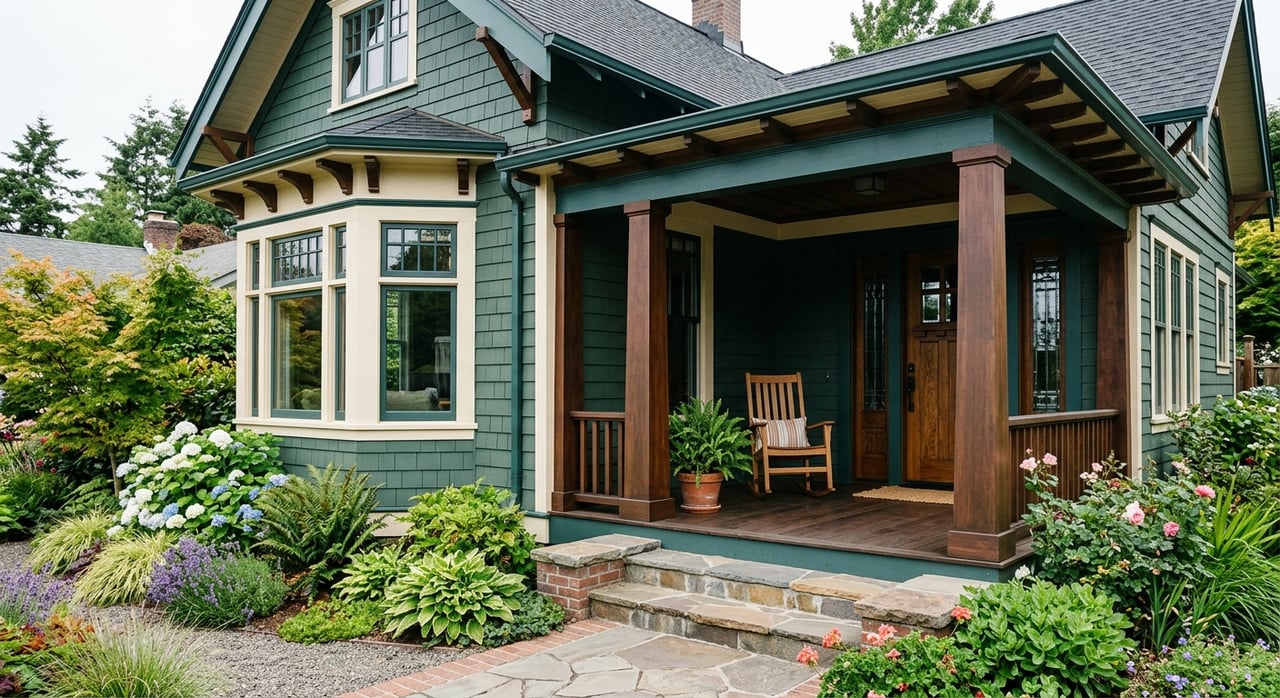
Vallejo has a lived-in architectural identity that stands out. The city formally recognizes several historic districts, including Mare Island, the Vallejo Heritage District, St. Vincent’s Hill Historic District, and the Vallejo Old City District.
This is not just about charm in a general sense. The city’s planning division is specifically charged with preserving architectural heritage and historic districts, which reinforces that older homes and historic streetscapes are an important part of Vallejo’s fabric.
Historic Districts to Know
If you are drawn to places with visible history, Vallejo offers several recognized areas where that character comes through in the built environment. These districts help shape the feel of the city and give different parts of Vallejo a distinct sense of place.
For buyers, that can mean a broader range of housing styles and street scenes than you would find in a more uniform suburban market. For sellers, it helps explain why location and architectural character can be such a meaningful part of a home’s story.
Old-House Appeal Feels Authentic
Vallejo’s own history materials note that some buyers are drawn to restored Victorian homes and business fronts, while others prefer newer neighborhoods such as Northgate and Hiddenbrooke. That says a lot about the city in a short sentence.
You are not looking at a one-note housing market. Vallejo can appeal to someone who wants period details and historic context just as much as someone who prefers a newer home and a different layout or setting.
Downtown Arts and Entertainment
A big part of everyday life near Vallejo’s historic core is how much is clustered downtown. Visit Vallejo describes the downtown arts district as a several-block area along streets such as Georgia, Sacramento, and Marin, where galleries, studios, and performance spaces are grouped together.
That concentration matters because it creates a more walkable, connected feel. Instead of needing a special plan for culture or entertainment, you can build it into an ordinary evening.
The Arts District Feels Active
The arts district includes places such as Artiszen, Obtainium Works, Moonfish Artworks, Town House, and the Empress Theatre. The second Friday Art Walk is also highlighted as a recurring way to experience the district.
For residents, that can translate into a downtown that feels active rather than static. You can grab coffee, browse galleries, meet friends, or head to an event without traveling far across the city.
The Empress Theatre Anchors Downtown
The Empress Theatre is one of the clearest examples of how Vallejo blends history with current use. Built in 1911 and reopened in 2008 after renovation, it now hosts live music, comedy, theater, and special events.
That kind of anchor gives downtown a sense of continuity. The building itself reflects Vallejo’s past, while the event calendar helps keep the street-level experience current and engaged.
Dining That Fits Everyday Life
Vallejo’s food and drink scene leans local and independent. Visit Vallejo’s dining guide highlights waterfront taprooms, taquerias, coffee shops, breweries, whiskey bars, and neighborhood-scale restaurants.
This is one of the reasons Vallejo can feel easy to live in. The dining scene is not only for celebrations or visitors. It supports the smaller routines that make a place enjoyable week after week.
Local Spots Add Daily Convenience
The guide calls out places such as Mare Island Brewing Co., the Ferry Taproom, Coal Shed Brewery, Moschetti Coffee, Provisions, Urban Fusions, and Zio Fraedo’s. Many venues also pair food with live music or other events.
That supports a lifestyle where dinner, drinks, coffee, or a casual meet-up can happen close to home. If you value places with a clear local identity, Vallejo’s downtown and waterfront core offer that in a very practical way.
Housing Options Near the Waterfront
Vallejo’s housing story is broader than many people expect. The city’s general plan shows a mix that includes detached single-family neighborhoods, central historic areas with duplexes, triplexes, fourplexes, smaller apartment buildings, and small commercial spaces, plus a downtown and waterfront district intended for pedestrian-oriented mixed use.
That variety is important if you are trying to match a home to your budget, commute, and lifestyle. It also helps explain why different blocks in and around the historic core can feel quite different from one another.
Historic, Mixed-Use, and Newer Choices
Some buyers are looking for restored character homes with architectural detail. Others want a simpler maintenance profile, a mixed-use setting, or a newer neighborhood option.
Vallejo offers room for all of those preferences. Around the waterfront and historic streets, you can see how the city’s older residential fabric and its evolving downtown core create a more layered housing landscape than a typical suburban pattern.
Mare Island Expands the Picture
Mare Island adds another dimension to Vallejo’s residential story. The city describes it as home to more than 100 businesses, a thriving residential community, trails, and a nature preserve.
The current specific-plan update also envisions nine connected neighborhoods with more housing variety and a more walkable development pattern. For buyers who want access to both historic context and future-oriented growth, Mare Island is part of the broader conversation.
Walkability and Getting Around
If you are wondering whether life here can involve less driving, Vallejo offers a credible case in certain areas. The ferry terminal’s location near the transit center, the city’s emphasis on downtown and waterfront connections, and the clustering of arts, dining, and entertainment all support a more connected routine.
That does not mean every errand disappears or every household will use the area the same way. It does mean that in the waterfront and historic core, daily life can feel more compact and navigable than in places built entirely around car trips.
Why Vallejo Feels Distinct
What stands out most about this part of Vallejo is the combination of practical access and local identity. The waterfront supports movement and commuting, while the historic streets, arts district, and independent businesses shape the city’s personality.
For some buyers, that mix can feel more meaningful than a checklist of amenities alone. You are choosing a place where the setting, architecture, and daily routines connect in a visible way.
If you are exploring Vallejo as a buyer or thinking about how to position a home for sale, it helps to understand these patterns at the neighborhood level. For clear, candid guidance on Vallejo and nearby markets, connect with Joe Brasil.
FAQs
What is everyday life like near the Vallejo waterfront?
- Everyday life near the Vallejo waterfront often centers on ferry access, downtown activity, dining, and easy access to the shoreline, with the waterfront functioning as part of the city’s daily routine rather than just a scenic feature.
What transportation options are available from the Vallejo Ferry Terminal?
- The Vallejo Ferry Terminal at 289 Mare Island Way offers daily service to Downtown San Francisco, select Mare Island service, and is located two blocks from the Vallejo Transit Center.
What historic districts are recognized in Vallejo?
- Vallejo formally recognizes Mare Island, the Vallejo Heritage District, St. Vincent’s Hill Historic District, and the Vallejo Old City District.
What is the Vallejo arts district like downtown?
- Vallejo’s downtown arts district spans several blocks along streets including Georgia, Sacramento, and Marin, with galleries, studios, performance spaces, and a recurring second Friday Art Walk.
What types of homes are common near Vallejo’s historic streets and waterfront?
- Housing near Vallejo’s waterfront and historic areas includes detached single-family homes, historic multi-unit properties, smaller apartment buildings, mixed-use spaces, and other pedestrian-oriented housing options in and around downtown.