If you want easier access to Napa Valley without paying Napa proper prices, American Canyon probably deserves a closer look. For many buyers, the question is not whether this city has wine-country charm on every block. It is whether it offers the right balance of value, convenience, outdoor space, and day-to-day livability. If you are weighing that trade-off, this guide will help you see where American Canyon fits and who it fits best. Let’s dive in.
Why American Canyon Stands Out
American Canyon sits at the southern end of Napa County and is often described by the city as a gateway to Napa Valley wine country. It is about 35 miles northeast of San Francisco, which gives it a very different feel from the smaller up-valley towns many buyers picture first.
That location matters. You are in Napa County, but you are also positioned for regional travel, commuting, and practical daily access to surrounding areas. In other words, American Canyon tends to appeal to people who want Napa Valley proximity with a more suburban setup.
The city was incorporated in 1992, and its setting is defined by the Napa River, Vallejo, the Napa Airport area, and the Sulphur Springs foothills. With an estimated 2025 population of 22,773, it offers a scale that feels established but still manageable.
What Living Here Feels Like
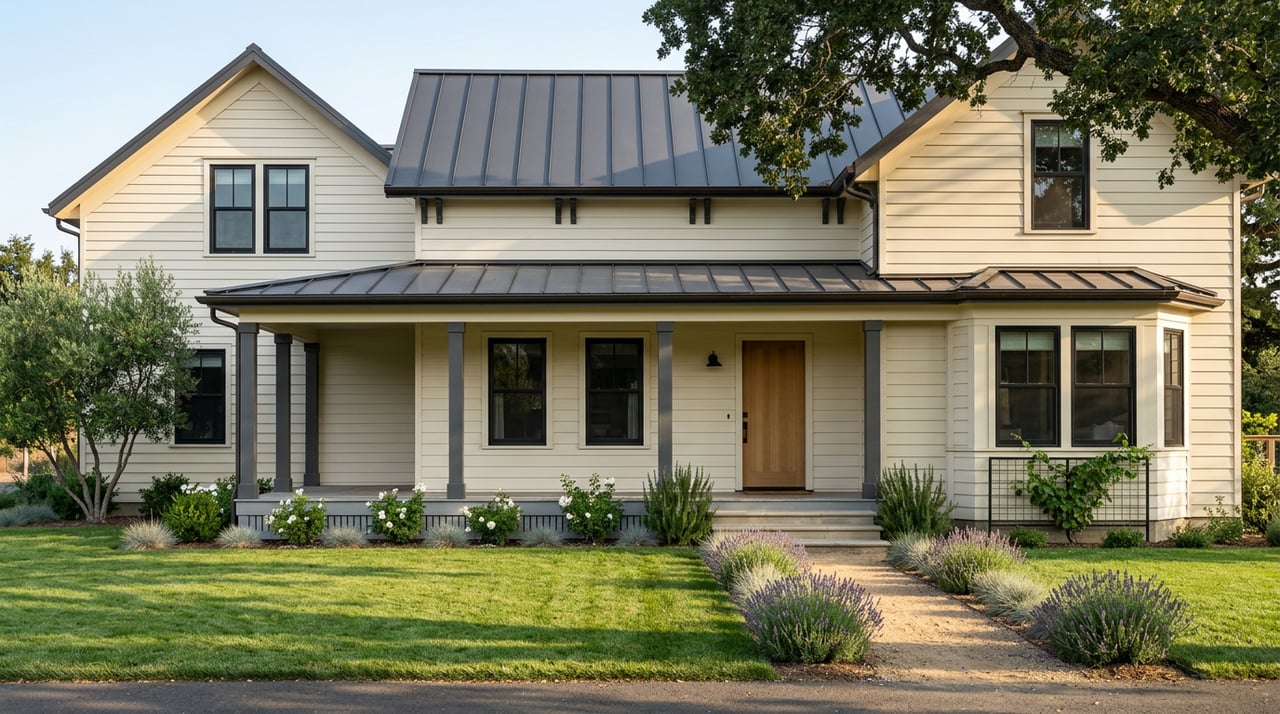
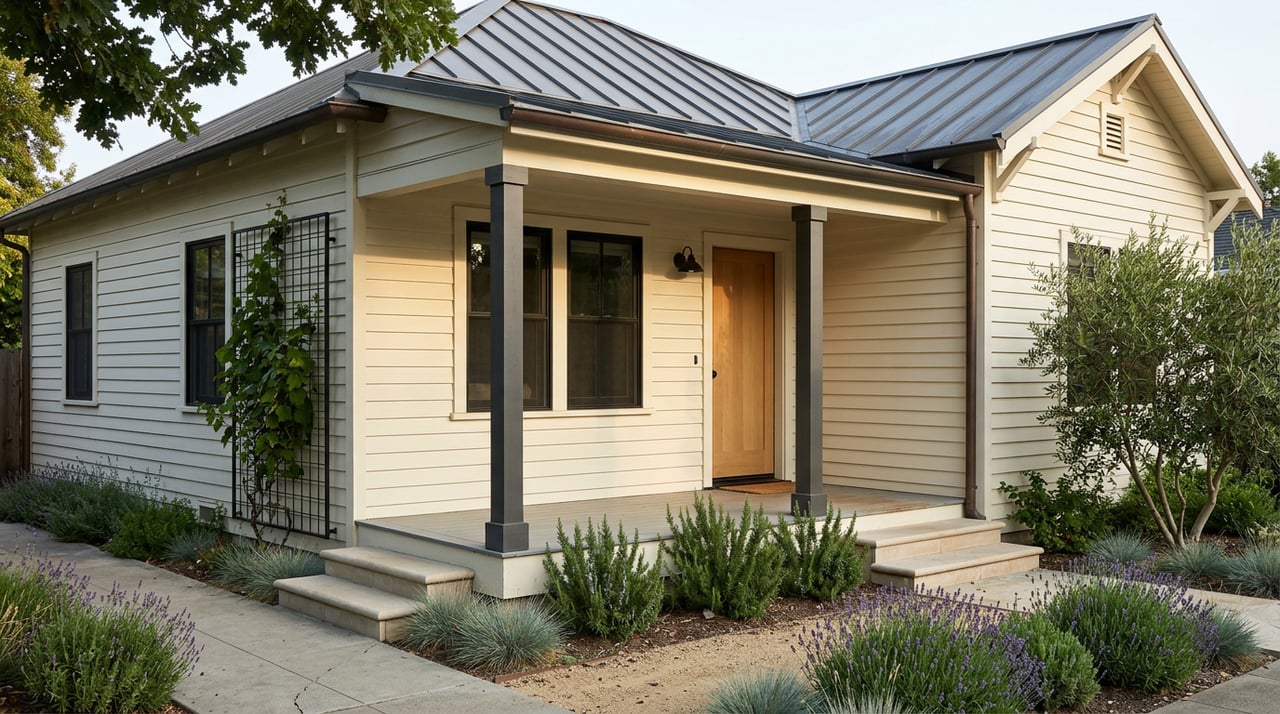
American Canyon is not trying to be Napa, Yountville, or St. Helena. Its identity is more practical and residential, which can be a real advantage if you want space, newer housing, and access to outdoor amenities without the expectations that come with a classic wine-country village.
The housing stock supports that impression. According to the American Canyon Fire Protection District master plan, the largest construction decade was 2000 to 2009, when 37% of residential buildings were built. The same report notes that 79% of housing units are one- or two-family dwellings.
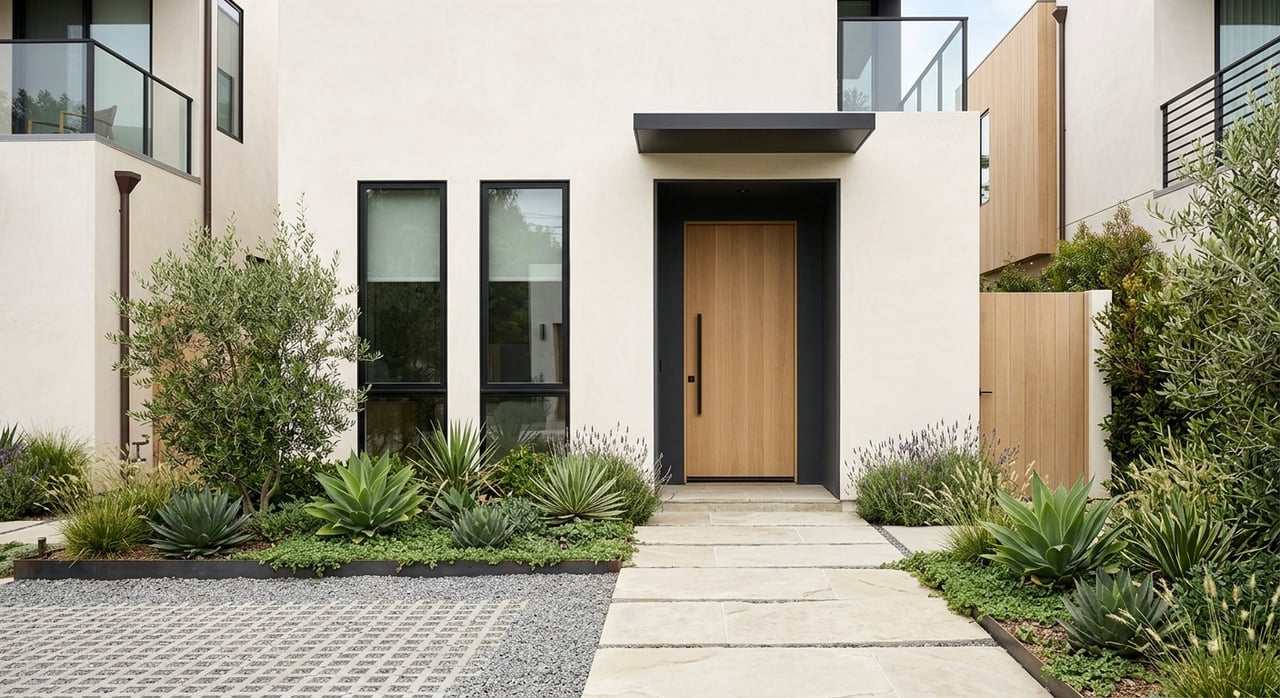
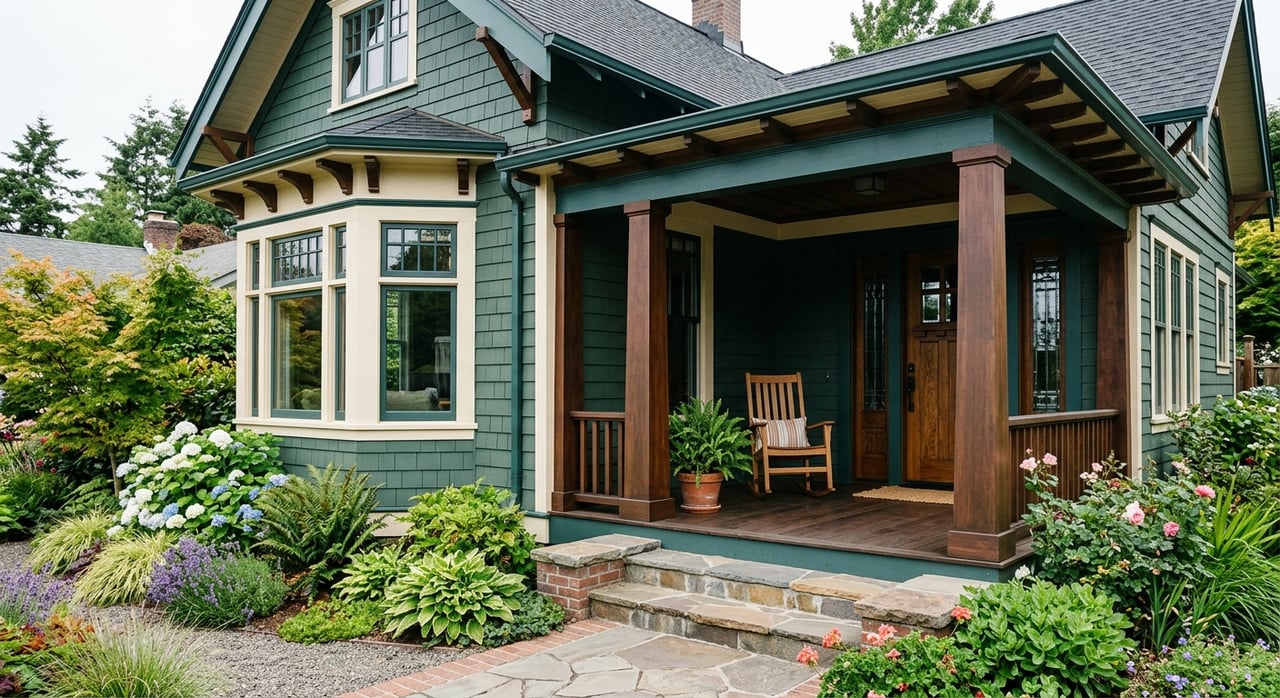
That newer tilt can matter if you prefer floor plans, systems, and neighborhood layouts that feel more current than what you may find in older parts of Napa County. The city also includes a mix of single-family homes, multi-family apartments, and older adult communities, which gives buyers a broader range of options depending on life stage and budget.
Census data adds more context. American Canyon has a 74.3% owner-occupied housing rate and an average of 3.6 persons per household. Those numbers reinforce its role as a residential community where many people put down roots.
Price Advantage Compared With Napa
For many buyers, the biggest draw is simple: American Canyon often offers a lower price point than Napa proper.
In April 2026, Redfin reported a median sale price of $731,867 in American Canyon. In Napa, the median sale price was $817,078 during the same period. That puts American Canyon about $85,211 lower, or roughly 10.4% less.
That gap will not make every home feel affordable, especially by broader California standards. Still, if you are trying to stay close to Napa Valley while stretching your budget further, the difference can be meaningful. It may open the door to more square footage, a newer home, or a property with features that would be harder to reach in Napa.
Timing also looks relatively workable. Redfin reported that homes in American Canyon sold after 28 days on average in April 2026. That suggests a market where buyers may have a bit more breathing room than they expect, though individual listings can always move faster or slower depending on price, condition, and demand.
Growth Is Still Part of the Story
American Canyon is not a static market. The city’s 2025 sewer plan identifies Watson Ranch as the newest and largest subdivision currently in development, which shows that growth is still shaping the community.
For buyers, that can mean fresh inventory and newer neighborhood options. For sellers and homeowners, it means keeping an eye on how new development affects competition, pricing, and buyer expectations over time.
This is one reason local guidance matters. In a market like American Canyon, value is not just about the citywide median. It is also about understanding which areas feel more established, which pockets offer newer construction, and how a specific home compares within that evolving mix.
Outdoor Access Is a Major Plus
One of American Canyon’s strongest lifestyle advantages is its access to parks, trails, and open space. If you want everyday outdoor options close to home, this city offers more than many buyers expect.
The city highlights Wetlands Edge Park, Main Street Park, and Newell Open Space Preserve among its park resources. Wetlands Edge Park includes bicycle paths plus paved and unpaved walking trails, and it is pet-friendly. Main Street Park offers a playground, gazebo, picnic areas, paved trails, and shaded space.
Newell Open Space Preserve adds more unpaved trail access. The Wetlands and Napa River Bay Trail system expands that appeal even further, with 10 miles of jointly managed trails and public access to the Napa River.
Clarke Ranch, a 26-acre park, also acts as a gateway to the Wetlands Edge Preserve trail system. If your idea of a good neighborhood includes room to walk, bike, or spend time outdoors without planning a full weekend trip, American Canyon has a practical edge.
Daily Convenience and Local Resources
A good home search is never just about the house. It is also about how easy everyday life feels once you move in.
American Canyon’s local resources include access to a library, post office, public transportation, schools, and local businesses. That may sound basic, but it is exactly the kind of practical infrastructure that supports day-to-day living and makes a community feel functional, not just well-located.
If you are choosing between a more scenic town and a more workable one, this is where American Canyon often makes its case. You may give up some of the classic wine-country village atmosphere, but you gain a setup that can be easier to live with Monday through Friday.
Schools and Household Practicality
For buyers thinking long term, school access is often part of the conversation. Napa Valley Unified School District serves Napa, American Canyon, and Yountville, and the city’s general plan states that American Canyon has three elementary schools, one middle school, and one high school.
Those facts help frame the city as a place built for everyday residential life. If you want a community where basic household logistics are already part of the local structure, American Canyon offers that kind of practicality.
Commuting and Regional Access
American Canyon’s location is one of its biggest advantages, but it also comes with an important reality check. This is a community with strong regional access, yet much of that access is road-based.
For drivers, Highway 37 is a key Bay Area connection. The Metropolitan Transportation Commission says Highway 37 links Interstate 80 in Vallejo with US 101 in Novato and carries about 47,000 vehicles per day as a peak commute corridor.
The city also notes that its public works team coordinates with Caltrans on State Route 29 traffic flow through town. That tells you something important about local life: transportation convenience is part of the value here, but traffic patterns are also part of the experience.
Census QuickFacts report a mean travel time to work of 29.7 minutes. That fits a community where many residents travel outside town for work or other regular routines.
Transit Options to Know
If you are not driving everywhere, there are still some useful options. American Canyon Transit provides an on-demand, door-to-door service within specific city areas and also runs a limited weekday fixed route with three loops.
Current service hours are Monday through Friday from 8:30 a.m. to 7 p.m. and Saturday from 8:30 a.m. to 5:30 p.m. The Vine’s Napa-BART Express also stops at the American Canyon Post Office on the way to El Cerrito del Norte Station.
That transit setup will not feel like a dense urban network. Still, it can be helpful if you want at least some local and regional alternatives to driving.
The Main Trade-Off to Understand
American Canyon can be a very smart choice, but only if it matches what you actually want. The main trade-off is that it functions more like a commuter-oriented gateway community than a classic walkable wine-country village.
That is not a flaw. It is simply the clearest way to understand the city’s personality. You are choosing a place that offers Napa County access, suburban housing, active growth, and open-space amenities, rather than a smaller-town destination feel.
For some buyers, that trade is exactly right. For others, the rhythm of daily life may feel too practical if what they really want is a more central Napa or up-valley lifestyle.
Who American Canyon Fits Best
American Canyon tends to make the most sense for buyers who want a specific blend of benefits:
- Proximity to Napa Valley without buying in Napa proper
- A more suburban environment
- Housing stock with a newer overall profile
- Outdoor access through parks, trails, and open space
- Regional connectivity for commuting or Bay Area travel
- A lower median price than Napa
It may be especially appealing if you are a first-time buyer, a move-up buyer, or someone trying to stay close to wine country while being disciplined about budget. It can also work well if your priority is livability and convenience rather than postcard atmosphere.
Is American Canyon the Right Gateway?
If your goal is to get into Napa County with more value, more suburban housing options, and strong access to both outdoor space and regional routes, American Canyon is worth serious consideration. It offers a different version of Napa Valley living, one grounded less in tourism and charm and more in practicality, proximity, and everyday function.
The key is being honest about your priorities. If you want a classic wine-country town experience, you may prefer another Napa Valley market. If you want a strategic entry point into the area with a meaningful price advantage over Napa, American Canyon could be the right fit.
When you are comparing neighborhoods, price points, and long-term lifestyle goals, local context makes all the difference. If you want a candid read on whether American Canyon fits your move, connect with Joe Brasil for thoughtful guidance rooted in Napa-area market knowledge.
FAQs
Is American Canyon in Napa County?
- Yes. American Canyon sits at the southern end of Napa County and is often described by the city as a gateway to Napa Valley wine country.
Is American Canyon more affordable than Napa?
- Based on April 2026 Redfin data, the median sale price in American Canyon was $731,867 compared with $817,078 in Napa, which is about 10.4% lower.
What types of homes are common in American Canyon?
- American Canyon has a mostly suburban housing mix that includes single-family homes, multi-family apartments, and older adult communities, with a large share of housing built between 2000 and 2009.
What outdoor amenities does American Canyon offer?
- The city highlights parks and trail areas such as Wetlands Edge Park, Main Street Park, Newell Open Space Preserve, Clarke Ranch, and the Wetlands and Napa River Bay Trail system with 10 miles of trails.
How do you commute from American Canyon?
- Many residents rely on driving, with Highway 37 and State Route 29 playing key roles, but local transit includes American Canyon Transit and a stop for the Vine Napa-BART Express at the American Canyon Post Office.
Is American Canyon a walkable wine-country town?
- American Canyon is better understood as a suburban gateway community with practical regional access rather than a classic walkable wine-country village.