If you are trying to buy your first home and keep circling back to Napa or Vallejo, you are asking the right question. These two markets are close enough to compare, but they offer very different entry points, daily routines, and housing experiences. The good news is that the tradeoffs are fairly clear once you look at price, commute options, and neighborhood character. Let’s dive in.
Price matters first
For most first-time buyers, affordability is the biggest dividing line between Napa and Vallejo. Rolling three-month median sale price data ending April 2026 show Vallejo at $509,737 and Napa at $817,078. That puts Napa about $307,341 higher, or roughly 60% more expensive than Vallejo.
City-level census data point in the same direction. The median value of owner-occupied housing units is $589,500 in Vallejo compared with $856,400 in Napa. Median monthly owner costs with a mortgage are also higher in Napa at $3,246 versus $2,711 in Vallejo.
Income does not fully close that gap. Median household income is $90,171 in Vallejo and $105,963 in Napa, which is only about an 18% difference. In practical terms, that means Napa’s housing premium is much larger than its income premium.
What that means for first-time buyers
If your top goal is getting into homeownership with a more manageable budget, Vallejo is usually the easier place to start. A lower purchase price can affect your down payment target, your monthly payment, and how much financial cushion you have left for repairs, upgrades, or reserves. That does not make Vallejo the better choice for everyone, but it does make it the more accessible entry point based on the current numbers.
Napa can still be the right move if you are comfortable stretching for a different lifestyle, setting, or housing baseline. You may decide that paying more fits your long-term goals. The key is being honest about what feels sustainable for you, not just what looks appealing on paper.
Commute and regional access
Your daily routine matters almost as much as your budget. Census data show a mean travel time to work of 34.2 minutes in Vallejo and 23.9 minutes in Napa. Even so, the more useful comparison is not just average commute time, but how each city connects you to the wider region.
Vallejo stands out for buyers who need a direct route to San Francisco. The San Francisco Bay Ferry offers daily service from Vallejo to Downtown San Francisco, with an approximate transit time of 60 minutes. For some buyers, that direct ferry link is a major quality-of-life advantage.
Napa’s commuter setup is different. The city’s official commuter transit information centers on the Napa-BART Express Route 29, which connects Napa-area park-and-rides to El Cerrito del Norte BART, with access points including American Canyon and Redwood Park & Ride. That makes Napa more bus-and-BART oriented rather than ferry-based.
Which city works better for commuting?
If you picture yourself commuting into San Francisco on a regular basis, Vallejo has the clearer edge because of the direct ferry service. That does not mean every Vallejo commute is easy, but it does offer a very specific and practical option for city-bound travel. For many first-time buyers, that can make the location feel more workable.
If your routine leans more toward Napa County, local destinations, or a BART-connected pattern, Napa may fit better. It really comes down to where you need to go most often and which commute style feels more realistic for your week.
Housing feel is very different
Beyond cost and commute, Napa and Vallejo simply feel different on the ground. That difference can shape how happy you feel in your first home long after the mortgage is in place. It is worth thinking about what kind of setting feels most like you.
Vallejo homes and neighborhoods
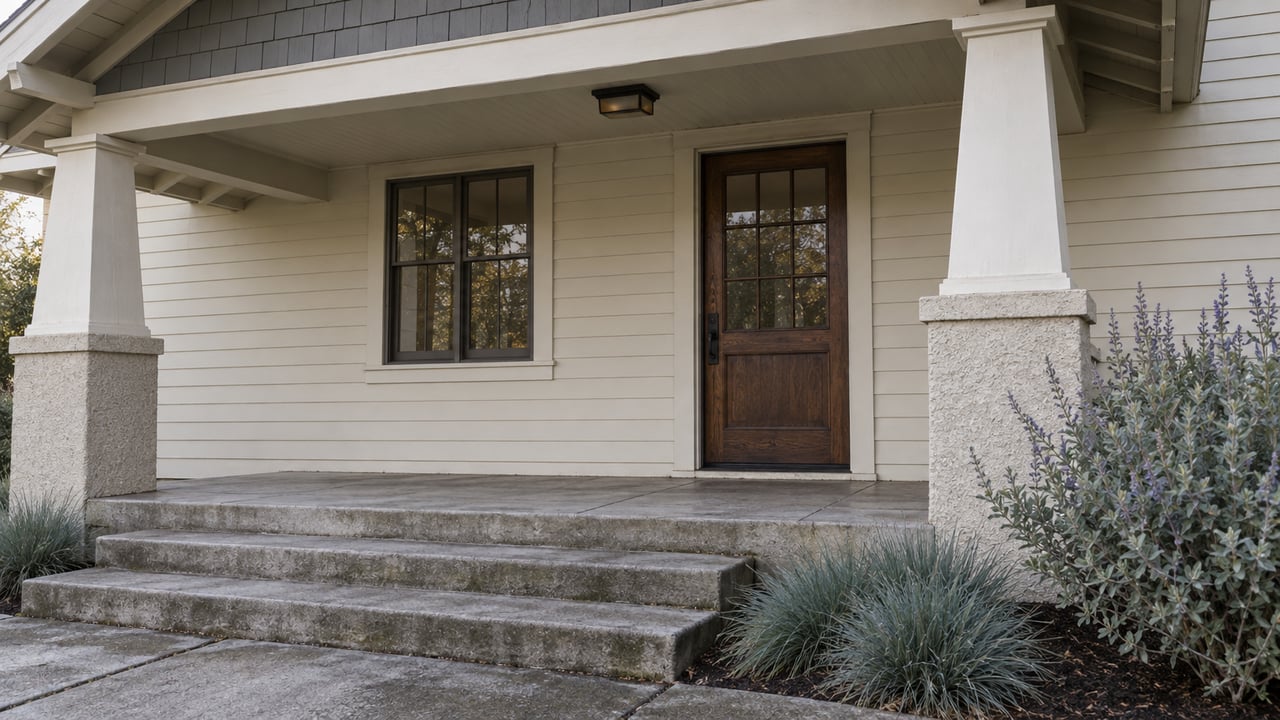
Vallejo offers a mix that includes historic housing, waterfront access, and redevelopment-oriented areas. The City of Vallejo identifies several historic districts of national significance, including Mare Island, the Vallejo Heritage District, St. Vincent’s Hill Historic District, and the Vallejo Old City District. Visit Vallejo notes that many homes in the Heritage District were built between 1860 and 1890 and include Queen Anne, Eastlake, Italianate, and Stick influences.
That gives Vallejo a layered housing story rather than one single neighborhood type. You can find areas tied to older architecture and local history, along with places shaped by waterfront access and ongoing planning activity. For a first-time buyer, that can mean more variety in both home style and neighborhood feel.
The city also describes Downtown Vallejo as a high-density, mixed-use district in progress, with more retail, housing, and arts and entertainment planned. Mare Island is described as home to more than 100 businesses, Touro University, trails, a nature preserve, and a growing residential community. Together, those details point to a city with visible change and a broad mix of environments.
Napa homes and neighborhoods
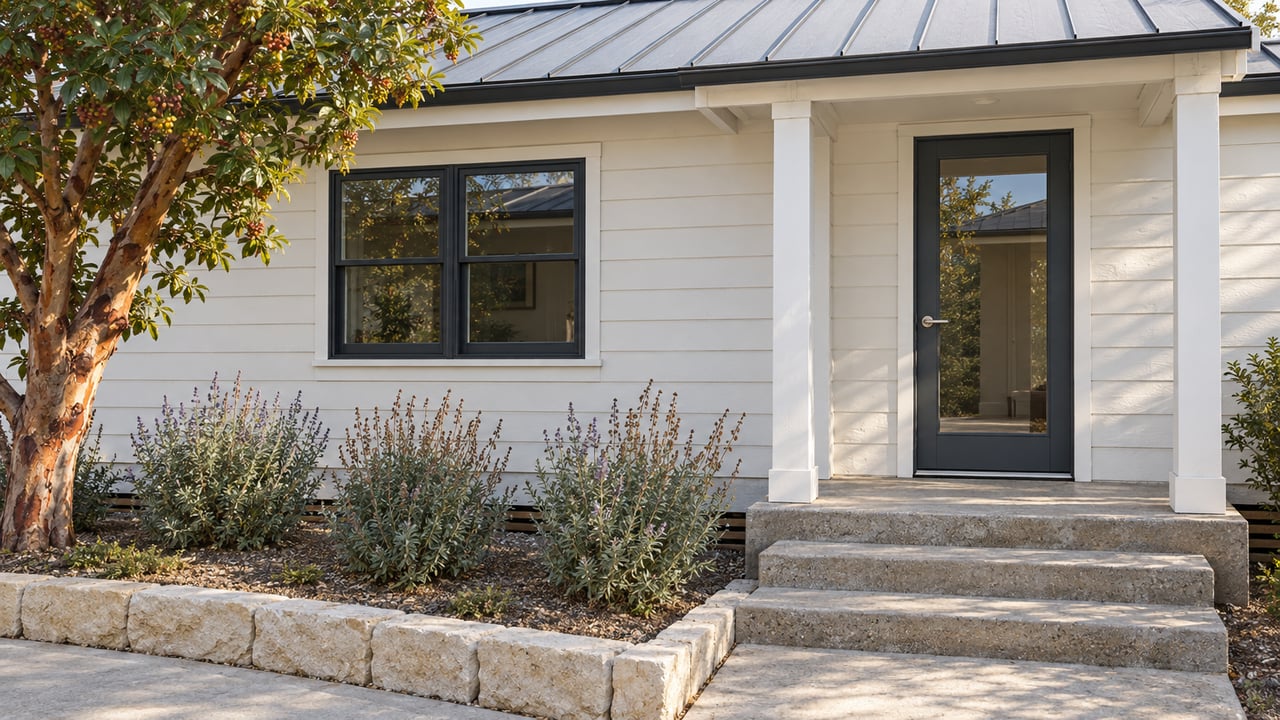
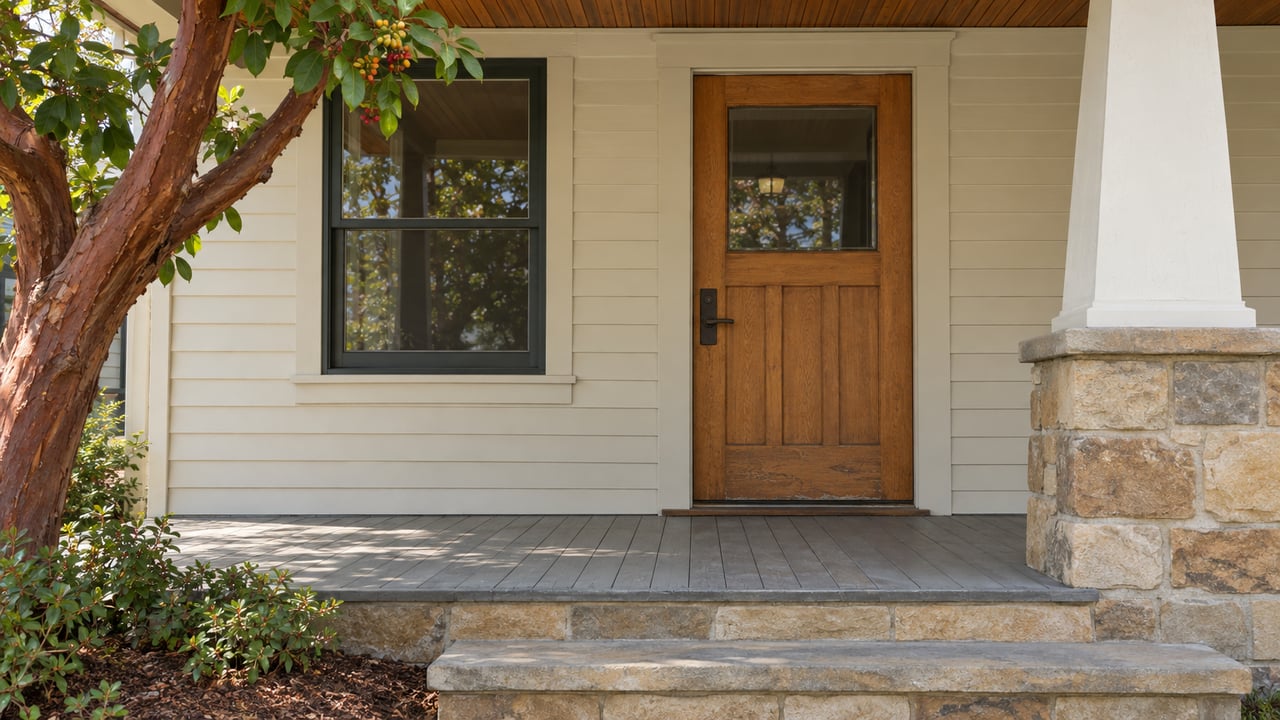
Napa’s housing feel is more compact and residentially layered, with a strong downtown core and a series of established neighborhoods. The City of Napa says the city has 26 neighborhoods, each with its own character, history, and needs. That alone tells you Napa is not one-note, even if it carries a more unified lifestyle identity.
The Downtown Neighborhood is a mixed-use riverfront area centered on the Napa River and Oxbow Public Market, with walkable access to the seasonal farmers market and Napa Valley Opera House. Other neighborhood descriptions add more variety. Browns Valley South is described by the city as having parks and views of hills, pastureland, and vineyards, while Bel Aire is described as tree-lined and highway-accessible, and Napa Abajo as a primarily residential historic neighborhood with period architecture.
For first-time buyers, Napa often feels more established and more lifestyle-driven. You may be drawn to its downtown character, historic areas, or residential neighborhoods with a quieter, lower-rise pattern. The tradeoff is that you are buying into a more expensive baseline.
Lifestyle versus budget
This is where the decision usually becomes more personal. Vallejo tends to make more sense if your first priority is affordability and practical access, especially if you want a lower-cost entry into ownership near the Bay Area. Napa tends to make more sense if you are willing to pay more for wine-country adjacency, downtown character, and a market with a stronger premium identity.
Neither choice is automatically smarter. The better choice is the one that fits your finances, commute, and day-to-day preferences without putting you under avoidable stress. Your first home should support your life, not strain it.
When Vallejo may be the better fit
Vallejo may work better for you if:
- You want a lower purchase price
- You are trying to keep your monthly housing costs more manageable
- You commute to San Francisco and value direct ferry access
- You like the idea of historic districts, waterfront areas, or a city with active revitalization plans
- You want more room in your budget for repairs, updates, or savings
When Napa may be the better fit
Napa may work better for you if:
- You are comfortable with a higher purchase price and monthly payment
- You want a more established premium market
- You value wine-country adjacency and a strong downtown core
- You are drawn to walkable riverfront areas or established residential neighborhoods
- Your commute and lifestyle are more connected to Napa County than San Francisco ferry access
Thinking about long-term value
First-time buyers often ask which city has better long-term value. The most grounded way to answer that is to look at planning, price position, and what each city is building toward, not to make short-term predictions.
Napa’s General Plan sets out the city’s development vision through 2040, and its Housing Element was adopted in 2023 to address housing needs and strategies. Vallejo’s General Plan 2040 and multiple specific plans focus on growth and revitalization in Downtown Vallejo, Mare Island, Sonoma Boulevard, and the waterfront.
That suggests two different stories. Vallejo has a more visible redevelopment narrative and a lower entry price, while Napa has a more established premium market and stronger lifestyle identity. For you as a buyer, the practical question is not which city will “win,” but which one fits your goals, budget, and comfort level today.
A simple way to decide
If you are torn, start with three questions:
What monthly payment feels safe for you?
If you want a more accessible path into ownership, Vallejo usually has the edge.How do you want to live day to day?
If direct San Francisco ferry access matters, Vallejo stands out. If wine-country setting and Napa’s neighborhood mix matter more, Napa may justify the premium.What kind of home experience do you want?
Vallejo leans historic, waterfront, and redevelopment-oriented. Napa leans walkable downtown living and established residential neighborhoods.
The best first home is not always in the most talked-about market. It is the one you can afford confidently and enjoy living in.
If you want help weighing Napa versus Vallejo based on your budget, commute, and the kind of home you actually want, Joe Brasil can help you compare your options with clear, local guidance.
FAQs
How much more expensive is Napa than Vallejo for a first home?
- Rolling three-month median sale price data ending April 2026 show Napa at $817,078 and Vallejo at $509,737, which is a difference of about $307,341.
Which city is better for a San Francisco commute?
- Vallejo is generally the better fit for a San Francisco commute because it has daily ferry service to Downtown San Francisco with an approximate transit time of 60 minutes.
What kind of homes can you expect in Vallejo?
- Vallejo offers a mix of historic districts, waterfront access, and redevelopment-oriented areas, including places like Mare Island and older neighborhoods with 19th-century architectural styles.
What kind of homes can you expect in Napa?
- Napa offers a mix of walkable downtown living, historic residential areas, and established neighborhoods with a lower-rise, more compact residential feel.
Is Vallejo usually better for first-time buyers on a budget?
- Based on the reported sale prices, owner values, and monthly housing costs, Vallejo is generally the more accessible entry point for cost-conscious first-time buyers.
Does Napa offer a different lifestyle than Vallejo?
- Yes. Napa is more associated with wine-country adjacency, a strong downtown core, and a higher-priced housing baseline, while Vallejo offers a broader mix tied to affordability, waterfront access, and redevelopment areas.