If you own a vintage home in Downtown Napa, pricing it can feel like walking a fine line. Aim too high, and today’s more selective buyers may pause. Price too low, and you risk leaving money on the table for a home with real character and location appeal. The good news is that smart pricing is not guesswork. It is a strategy built on local market data, property specifics, and clear presentation. Let’s dive in.
Why pricing matters more now
Napa’s 2026 market looks more balanced than overheated. Recent market data shows Napa home values and sale prices slightly down year over year, while homes are also taking time to sell. Depending on the source, homes are going pending in about 34 days, selling in about 56 days, and closing close to, but not always at, list price.
That matters if you are selling a Downtown Napa vintage home. In a balanced market, buyers tend to compare options more carefully. They are less likely to stretch for an ambitious list price just because a home has charm.
Know what makes Downtown Napa different
Downtown Napa is not a one-note housing market. The area combines older neighborhoods, later infill, mixed-use blocks, and walkable access to places like Oxbow, the seasonal farmers market, dining, shopping, and the Napa Valley Opera House. That setting can shape how buyers see value.
The housing stock also varies more than many sellers expect. City historic materials note that Napa’s oldest neighborhoods in this area were largely built out by World War I, with additional homes added as 1920s infill around the edges of the downtown survey area. In practical terms, that means two homes a few blocks apart may not be direct substitutes.
Start with narrow comparable sales
For vintage homes, broad pricing shortcuts usually miss the mark. You need comparable sales that are closely matched for age, square footage, lot size, level of updating, and historic character. A generic comp from a newer part of Napa may not reflect how buyers respond to a Downtown home with original details and walkable location.
This is especially important in Downtown Napa because the housing stock is so varied. A late-19th-century home, a 1920s bungalow, and a later infill property may all appeal to different buyers, even if they sit near each other. Smart pricing starts by narrowing the comparison set, not expanding it.
Look beyond price per square foot
Price per square foot can be helpful, but it should not drive the whole conversation. Vintage homes often have details that buyers value differently, such as original materials, period architecture, porch presence, or a more usable downtown lot layout.
A home with preserved character and compatible updates may command stronger interest than a similar-size property with heavy alterations or deferred maintenance. That does not mean every old home should be priced at a premium. It means the details need to be evaluated in context.
Condition can move the number
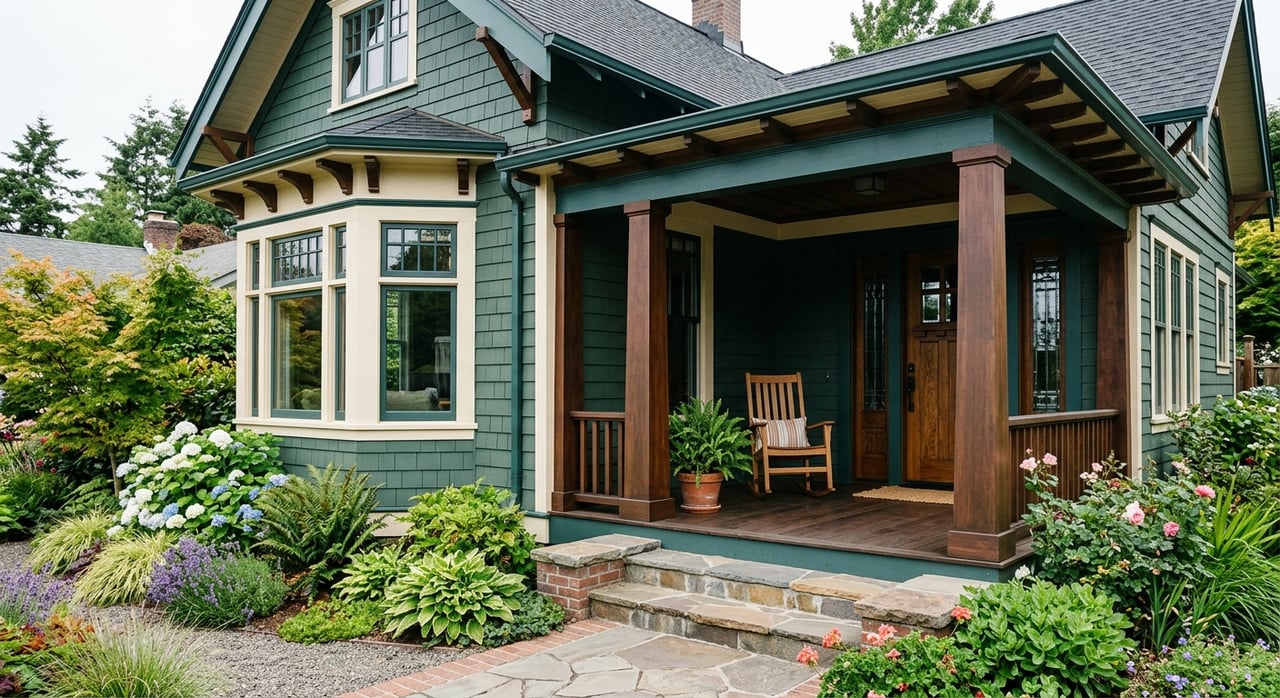
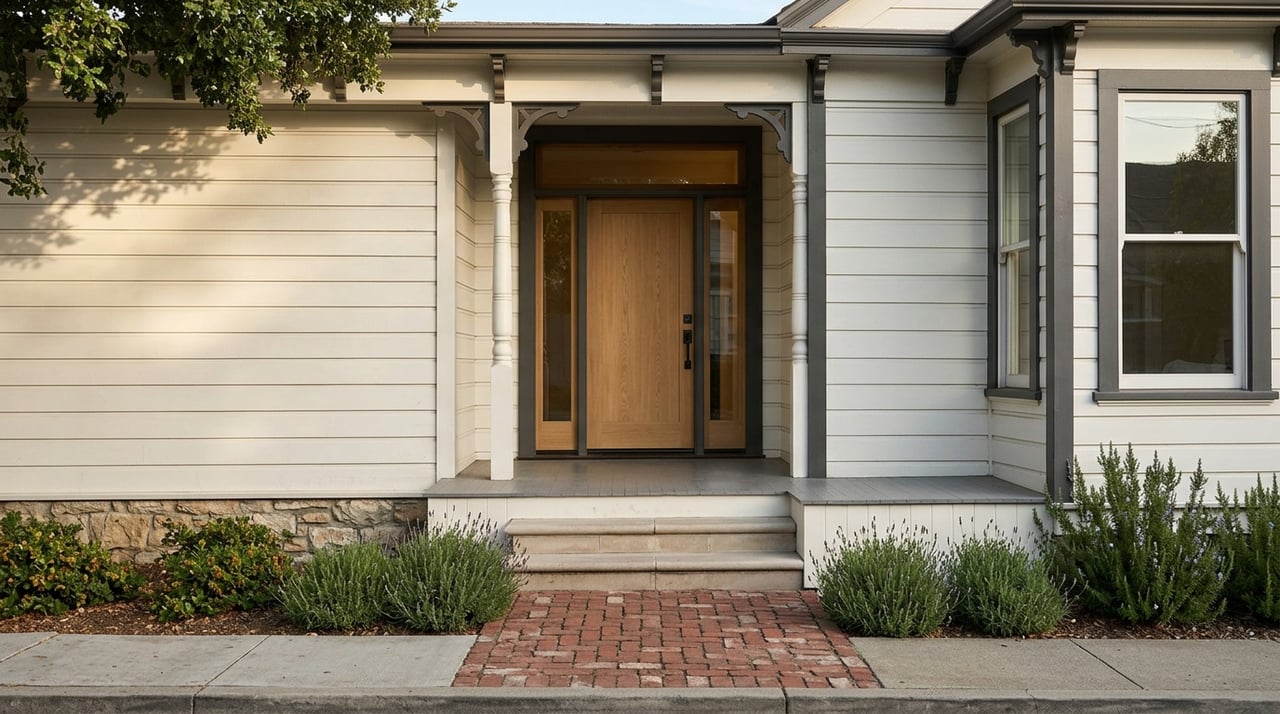
In Downtown Napa, condition and authenticity matter. City design guidance encourages preserving historic materials, avoiding the concealment of original architectural details, and using compatible rehabilitation choices when updates are made. Buyers often notice the difference between thoughtful stewardship and changes that feel out of step with the home.
That affects pricing in both directions. A well-preserved home with updated systems and a move-in-ready feel may justify a stronger number. A home with visible wear, unfinished projects, or intrusive alterations may need a more cautious strategy.
Renovation is not always the answer
Many sellers assume they need a full cosmetic renovation before listing. For a Downtown Napa vintage home, that is not always the best move. The city’s guidance favors preserving original materials and making compatible updates, which supports a more selective approach.
In many cases, smart prep beats major overhaul. Minor repairs, cleaning, paint touch-ups, landscaping, and careful presentation can help buyers appreciate the home without erasing its original appeal. That can protect both character and your budget.
Historic factors may shape buyer expectations
Some Downtown Napa properties are listed historic resources, and others may sit next to significant historic properties. The City notes that projects involving these properties should consult the Downtown Napa Historic Resources Design Guidelines. Buyers may factor that into what they believe is feasible after closing.
That does not automatically lower value. It simply means pricing should reflect the real buyer pool for that home. Some buyers will value the historic setting and preserved details, while others may prefer easier renovation flexibility.
Walkability and street presence count
Downtown Napa offers something many buyers actively want: a close-in, pedestrian-friendly setting. The City highlights walk access to downtown amenities, and local design guidance places value on street orientation and preserving important facades, including corner visibility.
For pricing, that means location quality within downtown can matter. A vintage home with strong curb appeal, attractive street presence, usable outdoor space, and easy access to downtown destinations may create a better first impression and stronger buyer response. Those features are not always easy to capture in a spreadsheet, but they still affect market perception.
Price for today’s buyers, not last year’s headlines
It is easy to anchor on a neighbor’s sale from a hotter period. It is harder, but smarter, to price for the market in front of you. Recent data points show sale-to-list ratios around 97.4% to 98%, which suggests buyers are still engaging, but they are negotiating.
That usually supports disciplined pricing from day one. If you start too high, you may reduce urgency, lengthen time on market, and invite price reductions later. In a balanced market, the first impression matters.
Why overpricing can backfire
Overpricing does more than sit on the market. It can change how buyers interpret the home. They may wonder if the seller is unrealistic, if the condition does not support the number, or if a future reduction is coming.
For a vintage property, that can be especially risky because buyers are already weighing charm against maintenance, updating, and long-term plans. A grounded list price helps the right buyers engage with confidence.
Presentation supports pricing power
Pricing and presentation work together. According to the 2025 Profile of Home Staging, 29% of agents said staging increased the dollar value offered by 1% to 10%, and 49% said staging reduced time on market. The same report found that staging helps buyers picture the property as a future home and can increase showing interest after buyers first see a listing online.
That matters for Downtown Napa vintage homes. Buyers often need help seeing both the charm and the day-to-day livability of an older home. Clean rooms, clear photos, and thoughtful staging can help original details feel inviting rather than overwhelming.
Focus prep where it matters most
The most commonly staged areas are the living room, primary bedroom, dining room, kitchen, and outdoor spaces. Those are also the places where buyers tend to imagine how they would actually live in the home. In a vintage property, these spaces should feel warm, functional, and uncluttered.
Common seller recommendations also include:
- Decluttering
- Full-home cleaning
- Improving curb appeal
- Professional photos
- Minor repairs
- Paint touch-ups or repainting
- Landscaping
For a Downtown Napa home, the goal is usually to highlight character and livability. You want buyers to notice the period details, not the deferred maintenance.
A practical pricing strategy for sellers
If you are preparing to list a vintage home in Downtown Napa, a strong pricing plan usually includes a few key steps. The aim is not just to pick a number. It is to create a number the market can support.
Step 1: Define the home’s true comp group
Start with recent sales that closely match the home’s era, size, lot, condition, and overall character. Avoid relying too heavily on newer homes or vintage homes with very different update levels.
Step 2: Adjust for condition honestly
Be candid about what buyers will likely notice. Preserved details, compatible updates, and move-in-ready presentation may support stronger pricing, while deferred maintenance or awkward alterations may call for restraint.
Step 3: Weigh downtown lifestyle value
Consider walkability, corner presence, outdoor usability, and overall street appeal. In Downtown Napa, those factors can shape how buyers rank one home against another.
Step 4: Prep before going live
Complete the high-impact items that improve first impressions. Cleaning, staging, minor repairs, and professional photography can support a stronger launch and reduce the chance of a stale listing.
Step 5: Launch at a market-tested number
A strategic list price should reflect current buyer behavior, not just seller hopes. In a balanced market, the right number can increase attention early, support stronger negotiation, and help protect your final result.
Why local experience matters
Vintage homes require more nuance than a typical pricing formula. You are not only pricing bedrooms and baths. You are pricing condition, character, preservation, location within downtown, and how buyers are likely to respond in the current market.
That is where local, neighborhood-level judgment matters. For a home with history, the best pricing strategy is usually the one that blends hard data with a real understanding of what makes that specific property stand out.
If you are thinking about selling a Downtown Napa vintage home, Joe Brasil can help you build a pricing strategy that respects the home’s character, reflects current market conditions, and positions you for a confident sale.
FAQs
How should you price a vintage home in Downtown Napa?
- The best approach is to use recent comparable sales that closely match the home’s age, size, lot, condition, updates, and historic character, then adjust for location and presentation.
Do historic guidelines affect pricing for Downtown Napa homes?
- They can, especially if a property is a listed historic resource or next to a significant historic property, because buyers may consider how design guidance could affect future changes.
Should you renovate a Downtown Napa vintage home before listing?
- Not always. Selective improvements like repairs, cleaning, paint touch-ups, landscaping, and staging often make more sense than a full cosmetic overhaul.
What features add value to vintage homes in Downtown Napa?
- Preserved character, compatible updates, move-in-ready condition, usable outdoor space, strong curb appeal, and a walkable downtown setting are all factors that can support value.
Is overpricing risky in the Napa market?
- Yes. In a more balanced market, overpricing can reduce early interest, increase time on market, and lead buyers to expect future price reductions or negotiate harder.